
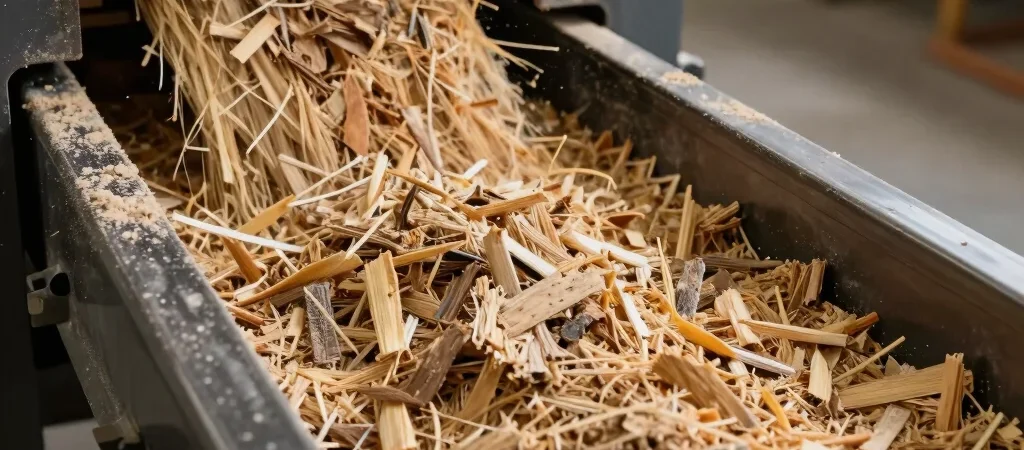
Feedstock moisture ratio is the single most critical variable determining whether a briquetting press achieves stable extrusion or suffers catastrophic die plugging. When raw agricultural waste or forestry residue enters the compression chamber, water content dictates pressure development and thermal binder activation. Deviating even three percent outside optimal operational windows directly degrades final product density.
The Physics of Steam Expansion Within the Press Die
Under extreme die compression, internal temperatures instantly vaporize moisture remaining in the feedstock matrix. Excessive water content creates superheated steam pockets that expand rapidly upon exiting the die face, causing structural fracturing known as steam exploding. Conversely, feedstock that is overly dry increases mechanical friction to levels that stall drive motors and scorch equipment components.
Pre Drying Strategies for Agricultural Residue and Sawdust
Industrial drying systems like rotary drum dryers or flash pneumatic tubes must be calibrated precisely to incoming raw material variance. Rice husk, bagasse, and mixed hardwood sawdust each exhibit distinct moisture retention profiles and drying curves. Implementing multi-point inline moisture sensors upstream of the surge bin allows automatic feed rate adjustments before damp material enters the press barrel.
Operational Protocols for Output Consistency
Establishing rigorous quality control protocols for moisture monitoring protects heavy mechanical press components from unnecessary thermal stress. Daily sampling combined with continuous inline capacitance sensing ensures the briquetting line operates at maximum throughput per hour with minimal power spikes. Consistent feedstock preparation remains the cheapest insurance policy against premature machinery wear.